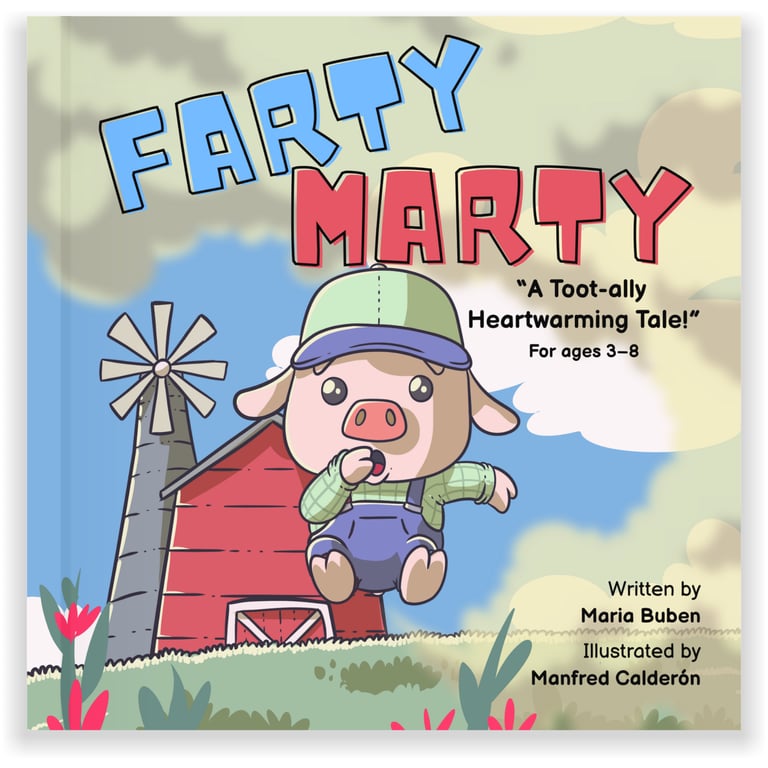
New Release: Farty Marty - A Toot-ally Heartwarming Tale!

Why Kids Love Silly Books
And Why They’re Actually Good for Learning
LITERACY & LEARNING
Maria Buben
1/19/20265 min read
Why Kids Love Silly Books
If you’ve ever paused in the children’s book aisle wondering whether a silly book is really educational, you’re not alone.
Parents, teachers, homeschoolers, and librarians often feel caught between two good intentions: choosing books that support learning goals, and choosing books that children genuinely love. On one side are books that promise academic growth. On the other hand are the books that cause uncontrollable giggles, repeated requests, and enthusiastic read-alouds.
Here’s the reassuring truth: those giggle-filled books are not a distraction from learning; they are a gateway to it.
Silly books play a powerful role in early literacy, emotional development, and reading confidence. Stories that lean into humor, absurdity, and playful moments often create stronger engagement and deeper learning than books that focus solely on instruction.
Books like Farty Marty may spark laughter first, but they also support language development, social understanding, and a positive relationship with reading, which is something every learning environment can benefit from.
Let’s take a closer look at why children are drawn to silly books, and why you can feel confident placing them front and center in your reading routine.
And Why They’re Actually Good for Learning
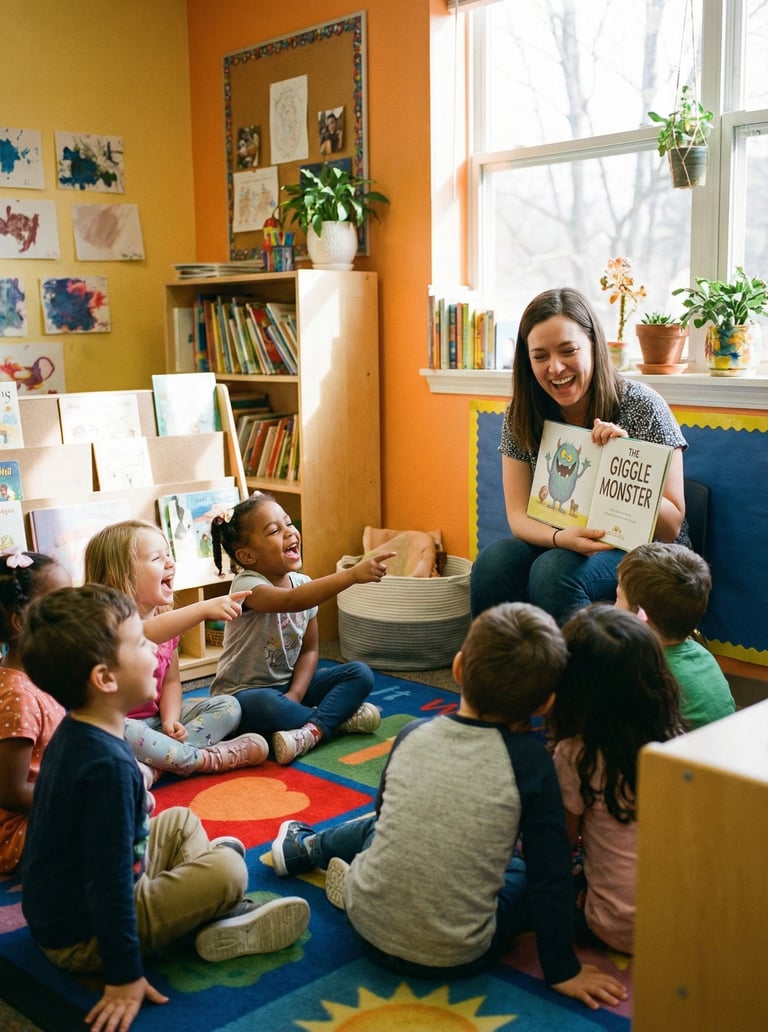
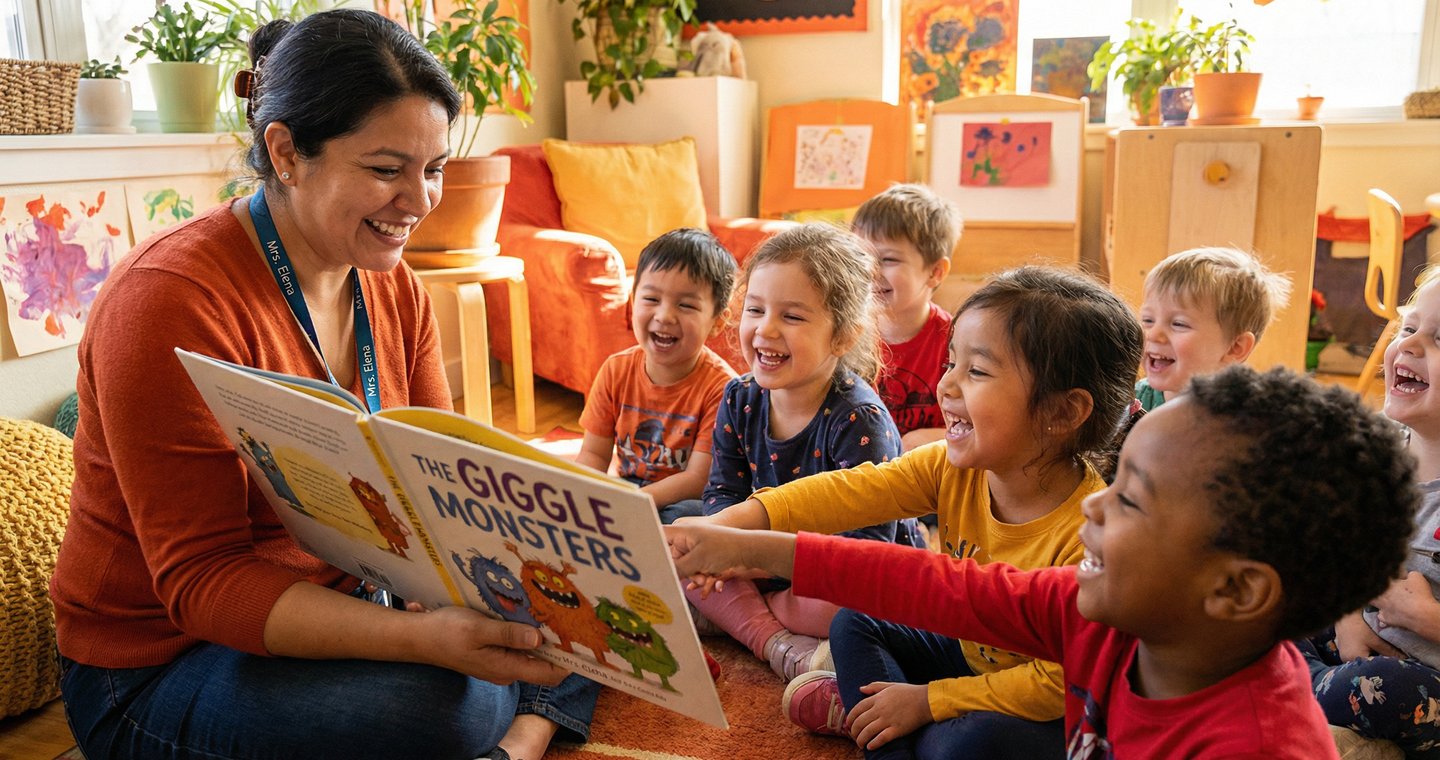
Children are naturally drawn to humor because it feels safe, joyful, and familiar. Silly stories speak directly to the way children experience the world.
Young children are still learning how rules work, how emotions feel, and how social situations unfold. Humor allows them to explore all of this without pressure. When a book makes a child laugh, it signals that the experience is enjoyable and low-risk.
Humor helps children:
Feel relaxed and open
Stay engaged longer
Form emotional connections to stories
Participate without fear of being wrong
This is especially important for children who may feel anxious about reading, struggle with attention, or lack confidence in academic settings. A funny story shifts the focus from performance to enjoyment.
Instead of worrying about reading perfectly, children are free to respond naturally, laugh, comment, and interact with the story. That emotional safety creates the ideal environment for learning.
Silly books don’t trivialize reading. They humanize it.
Kids Are Wired for Humor
Laughter Strengthens Memory and Comprehension
There’s a reason children ask to hear the same funny book over and over again.
When children laugh, their brains release chemicals associated with pleasure and motivation. This doesn’t just feel good; it enhances attention, focus, and memory retention. A child who is emotionally engaged is far more likely to remember what they’ve heard.
When humor is present in a story:
Attention lasts longer
Story details become more memorable
Vocabulary sticks more easily
Comprehension deepens through repetition
Re-reading a silly book isn’t a sign that a child isn’t progressing. It’s often a sign that the child is processing the story at a deeper level. Each read-through reinforces narrative structure, language patterns, and emotional cues.
What may look like “just laughing” is actually the brain practicing important literacy skills in a way that feels natural and enjoyable.
That’s not wasted reading time. It’s learning reinforced through joy.
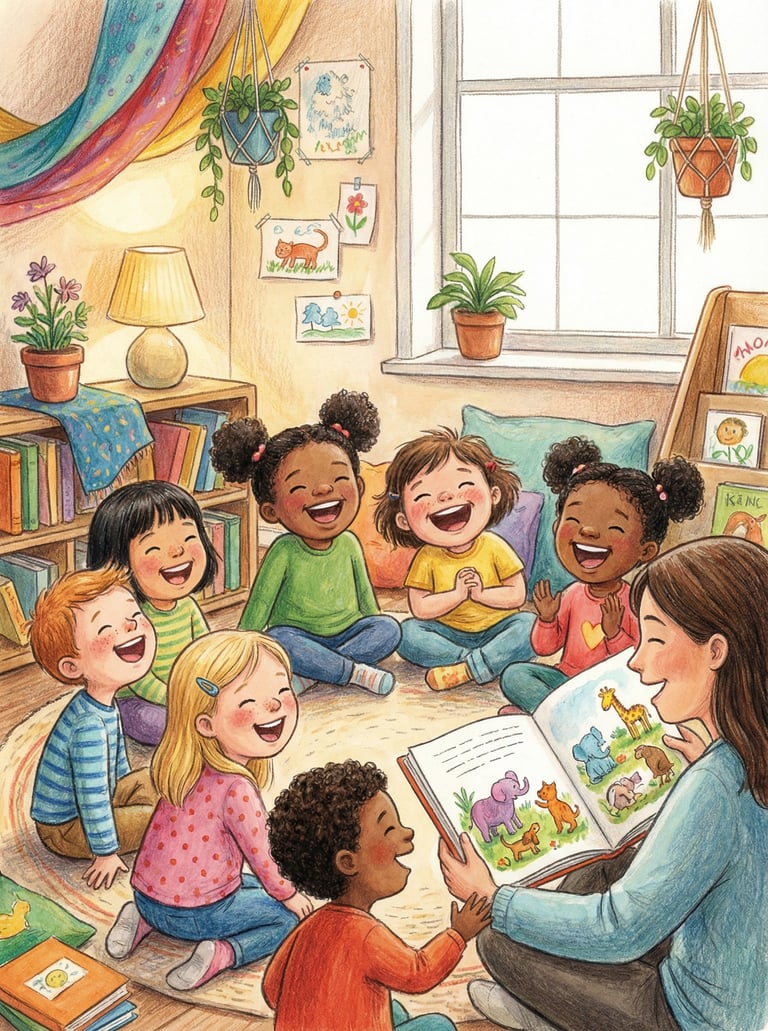
For reluctant readers, humor can be the bridge that brings them back to books.
Some children associate reading with correction, pressure, or frustration. Silly books change that dynamic entirely. They invite participation rather than perfection.
Funny stories:
Feel approachable
Encourage expressive reading
Invite children to predict, repeat, and react
Reduce fear of mistakes
When children feel confident enough to laugh at a story, they are more willing to take risks. They try new words, read aloud with enthusiasm, and engage more freely with text.
Over time, this confidence builds momentum. A child who enjoys reading is more likely to read independently, explore new books, and naturally develop stronger literacy skills.
Confidence doesn’t come from forcing difficulty. It comes from positive experiences that build trust.
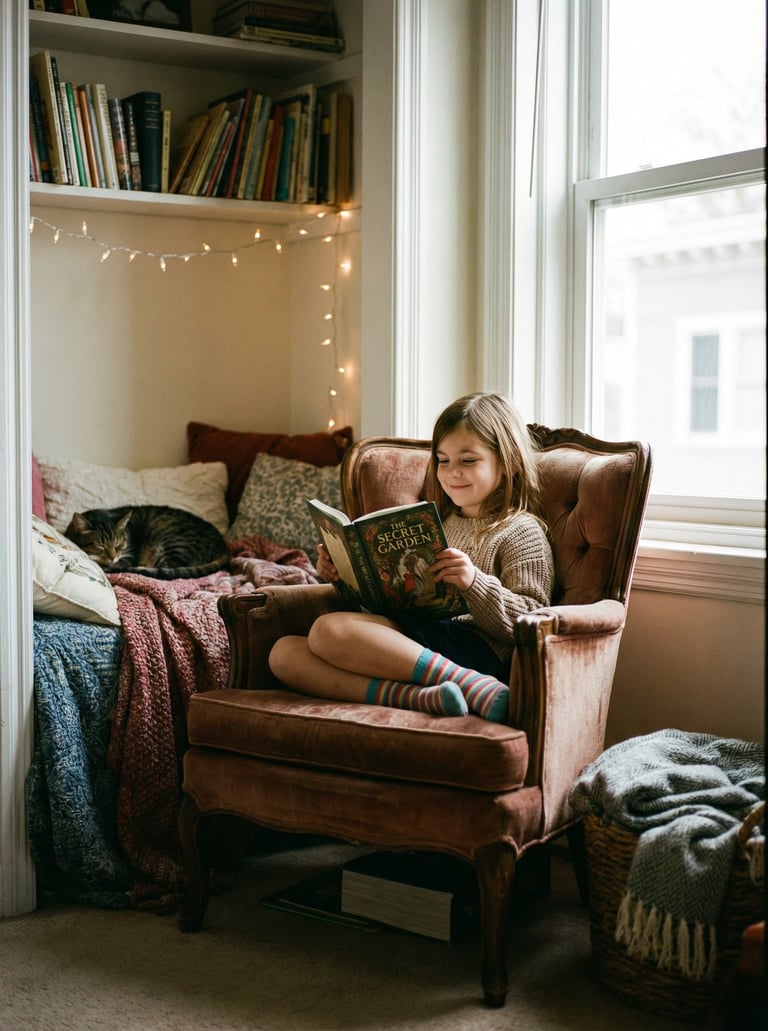
Silly Books Build Reading Confidence
Humor Helps Children Navigate Big Feelings
Many silly stories touch on emotions children experience every day, embarrassment, frustration, excitement, kindness, or social mishaps, but they do so in a way that feels safe and non-threatening.
Humor creates emotional distance. It allows children to explore feelings without feeling overwhelmed by them.
A funny moment in a story can naturally lead to:
Talking about emotions
Understanding social situations
Practicing empathy
Normalizing mistakes
When children see characters laugh at themselves or recover from awkward moments, they learn that imperfection is part of being human. That lesson is just as important as learning letters or numbers.
Silly books often become starting points for meaningful conversations, not because they lecture, but because they invite curiosity and connection.
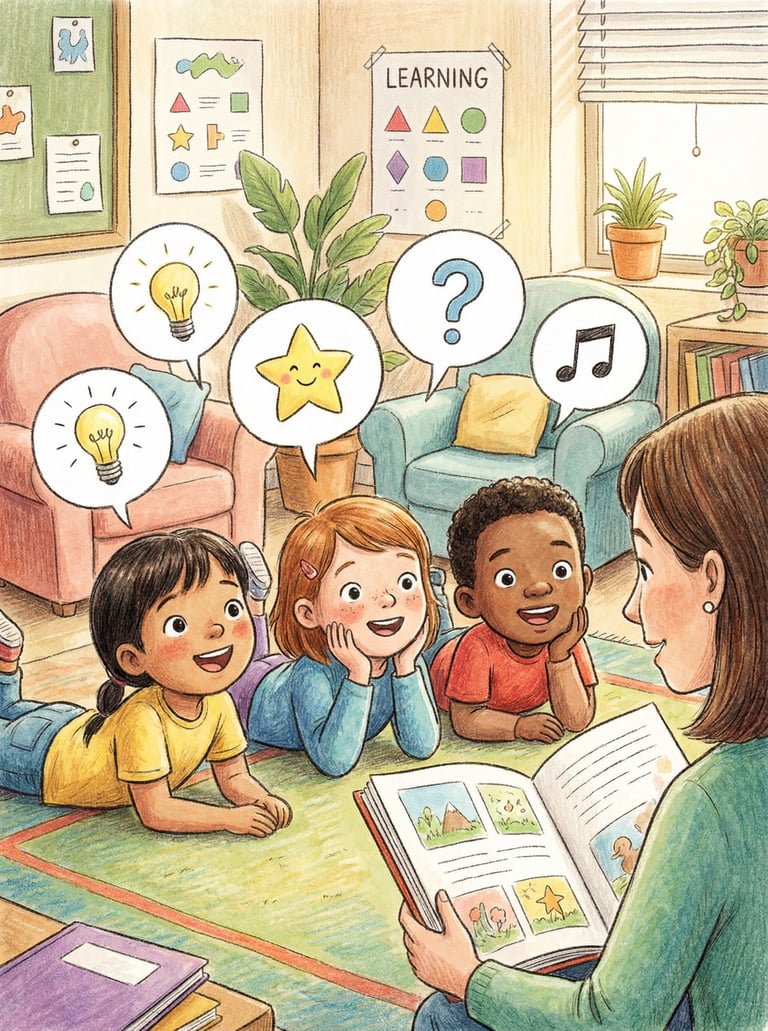
Why Silly Books Support Early Literacy Skills
Beyond laughter and enjoyment, silly books actively support foundational literacy skills.
Humor-heavy picture books often rely on:
Repetition
Rhythm and pacing
Predictable patterns
Expressive language
These elements are especially beneficial for early readers. They support phonemic awareness, vocabulary growth, and narrative understanding.
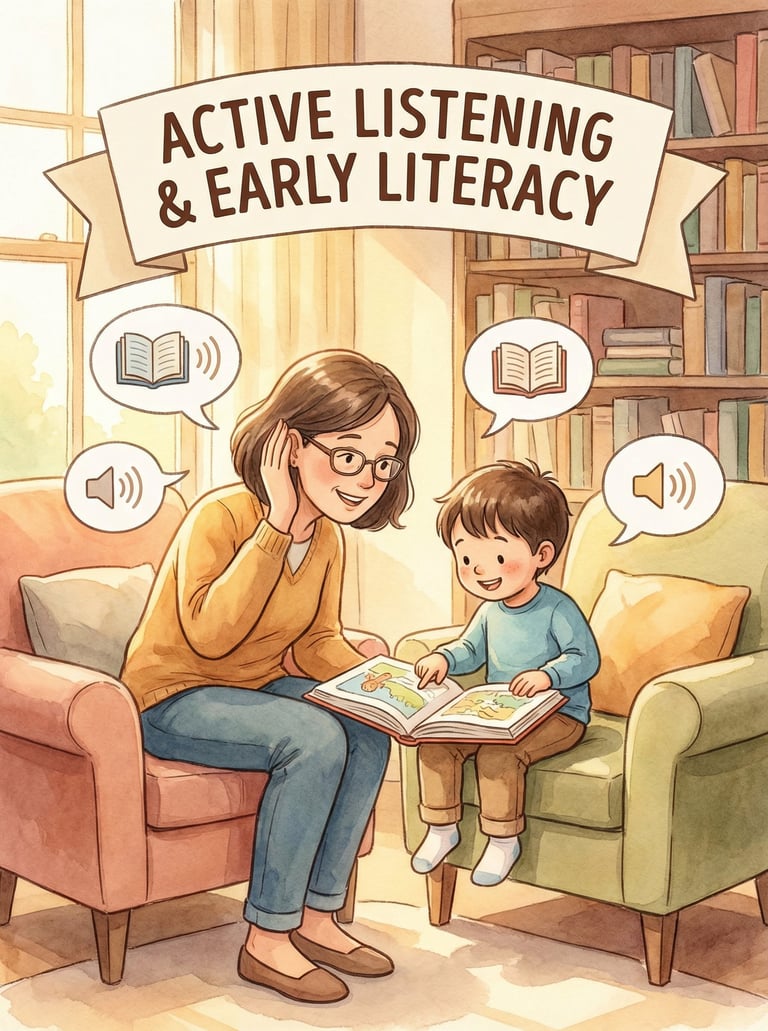
Because silly books are engaging, children are more likely to:
Listen closely
Anticipate what comes next
Repeat phrases
Ask questions about the story
This kind of active participation strengthens comprehension and language development without feeling instructional.
In early literacy, engagement matters just as much as content. A book that keeps a child emotionally invested is doing meaningful educational work.
Silly Books Belong in Every Learning Space
Whether you’re reading at home, in a classroom, a daycare, a homeschool setting, or a library, silly books earn their place on the shelf.
They:
Encourage joyful reading routines
Support language and literacy development
Build emotional resilience
Strengthen positive associations with books
Storytime doesn’t need to be serious to be meaningful. In fact, children often learn best when they feel relaxed, safe, and happy.
Silly books help create those conditions.
They remind us that reading is not just a skill to be mastered, but an experience to be enjoyed.
Final Thoughts
If a book makes a child laugh, ask for it again, and eagerly share it with others, it’s doing something right.
Silly books don’t distract from learning. They invite children into it.
They build confidence, strengthen comprehension, support emotional growth, and most importantly, help children fall in love with reading.
That love is the foundation on which everything else is built.